
A Google lançou o Gemini Spark para os subscritores do plano AI Ultra nos Estados Unidos. Esta nova funcionalidade faz algo que as outras subscrições ainda não permitem. Em vez de ser apenas um chatbot que responde quando falas com ele, o Gemini Spark é um agente autónomo que funciona em segundo plano, 24 horas por dia, executando tarefas sem que precises de estar presente. Podes fechar o portátil ou guardar o telemóvel no bolso, pois o Spark continua a trabalhar.

Continuar a ler após o anúncio.
O que é o Gemini Spark
No fundo, o Gemini Spark é um agente de IA que age em teu nome, mas sempre sob o teu controlo, mantendo-se ativo 24 horas por dia. Esta funcionalidade surge agora como um separador independente dentro da versão web do Gemini, lado a lado com a janela de chat habitual.
A diferença para a experiência clássica do Gemini é enorme. Até agora, a interação era puramente reativa: tu fazes uma pergunta e a IA responde. O Spark, por outro lado, é proativo. Tu defines uma tarefa e ele trata de a executar no momento ideal, mesmo que estejas ocupado com outras coisas.
Executar tarefas concretas
O Spark está profundamente integrado no ecossistema da Google, com ligação direta ao Gmail, Calendário, Drive, Docs, Sheets e Slides. Na prática, podes pedir-lhe para marcar reuniões, gerir convites, pesquisar e-mails, resumir conversas, criar documentos, construir folhas de cálculo, gerar apresentações e organizar os teus ficheiros.
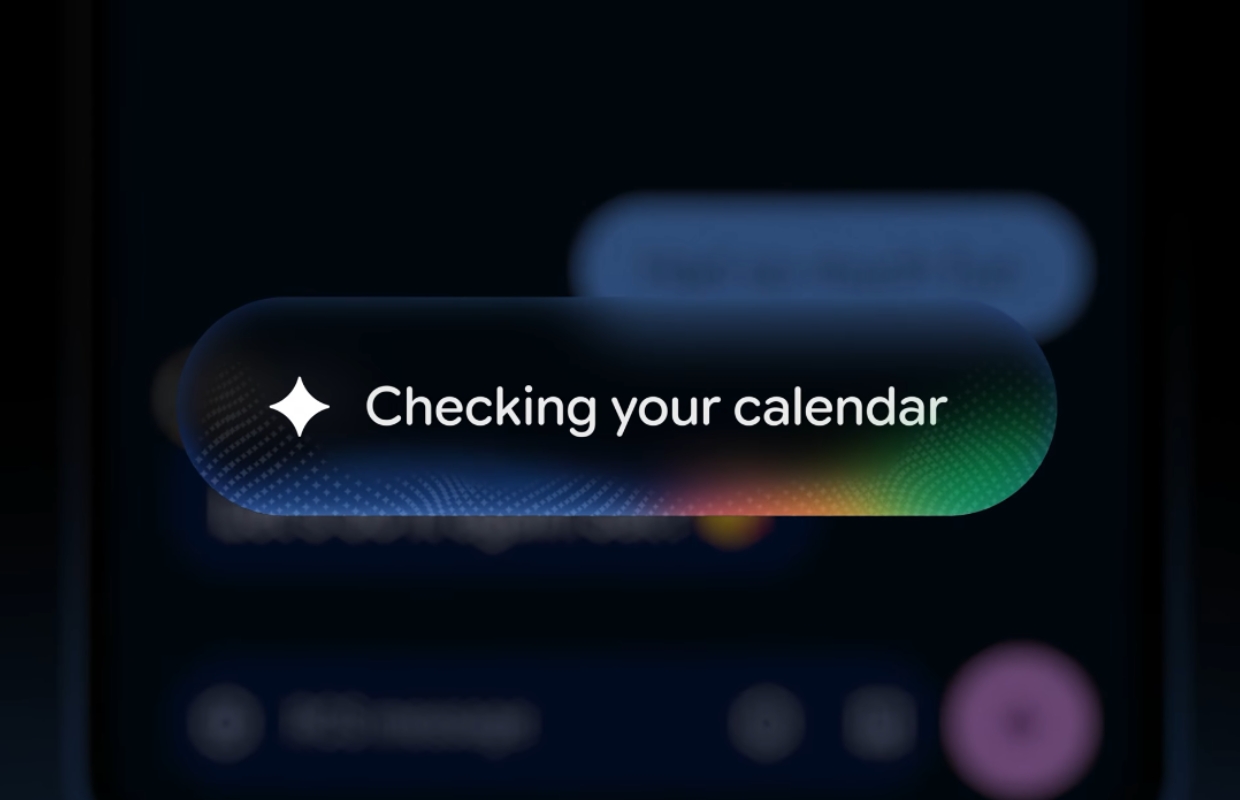
A Google dá ainda ao Spark acesso a serviços ligados, às funcionalidades de inteligência pessoal (Personal Intelligence), a sites onde tens sessão iniciada e a extensões que podem interagir com páginas web em teu nome. Isto significa que o Spark consegue visitar sites, preencher informações e executar ações sem que tenhas de passar por cada um dos passos manualmente.
Continuar a ler após o anúncio.
Este último ponto é um salto impressionante. O Spark pode, por exemplo, preencher um formulário num site externo, fazer uma reserva ou compilar um dossiê com base em informação de várias fontes, tudo isto sem que precises de levantar um dedo.
Continua a trabalhar com o dispositivo desligado
Para que tudo isto seja possível, o Spark utiliza máquinas virtuais que funcionam com base no Gemini 3.5. É isto que permite que as tarefas continuem a ser processadas mesmo com o portátil fechado ou o telemóvel bloqueado. Este processamento em segundo plano é, aliás, um dos grandes trunfos da Google para o Gemini, transformando-o num verdadeiro assistente digital permanente, e não apenas num chatbot que abres só quando precisas.
Continuar a ler após o anúncio.
De momento, o Gemini Spark está disponível apenas para os subscritores do Google AI Ultra nos Estados Unidos, o que faz dele uma das funcionalidades de inteligência artificial mais exclusivas da empresa. Isto significa que ainda não temos acesso a esta novidade em Portugal. Além disso, ainda não é conhecido quando é que o Spark chegará oficialmente à Europa.


